Pavers are one of the most versatile ways to upgrade the outside of your home. They handle heavy use, can be repaired one piece at a time and come in a huge range of colours and shapes. Choosing well comes down to a few simple questions.
Match the paver to the job
A garden path only carries foot traffic, while a driveway must support the weight of vehicles every day. Thicker pavers and a deeper compacted base are essential for driveways, and they are worth considering for busy patios too.
Compare the main materials
Concrete pavers are affordable, consistent and available in many finishes. Clay brick pavers hold their colour for decades and suit traditional homes. Natural stone such as bluestone, sandstone or granite gives a premium, one of a kind look with a higher price to match.
Think about your climate
Where winters bring freezing and thawing, choose dense pavers rated for freeze and thaw cycles and make sure the base drains well. Permeable pavers let rain soak into the ground, which reduces puddles and runoff from your property.
Pick a pattern with purpose
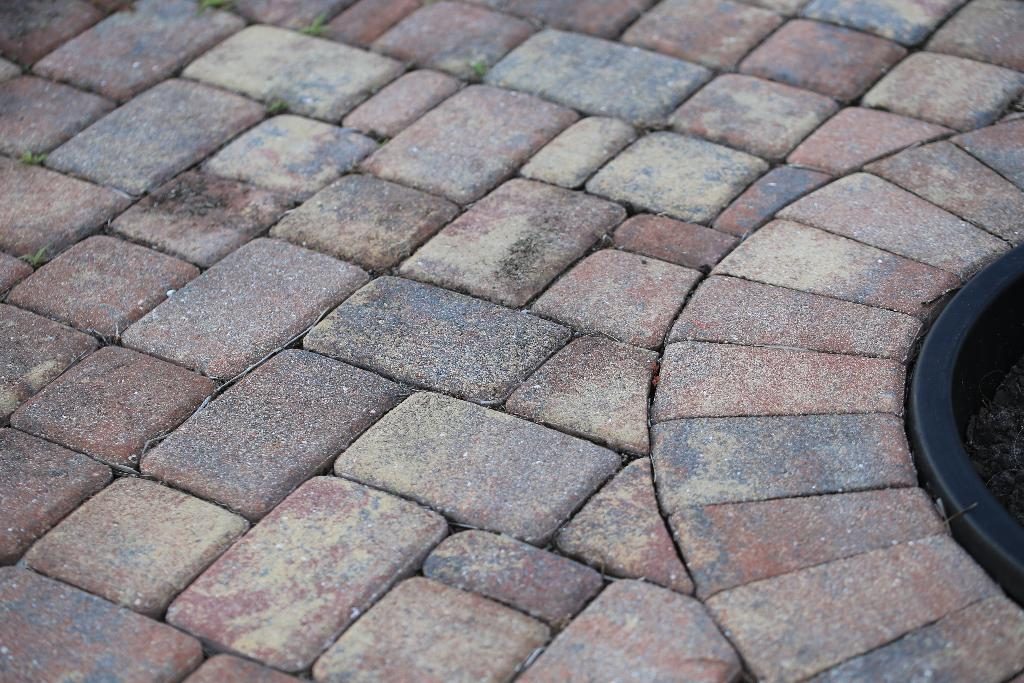
Herringbone is strong and ideal for driveways. Running bond makes a narrow path feel longer, and circular or fan patterns create a natural gathering point on a patio. Edging in a contrasting colour gives a crisp finished line.
Do not skip the base
Most paver problems start underneath. A well compacted gravel base, a level bedding layer and firm edge restraints keep pavers from shifting or sinking. Joint sand that hardens once wet helps block weeds and ants.